

If you want to spend less on groceries without extreme couponing or complicated systems, it comes down to a handful of simple habits done consistently.
I’m calling them ‘habits’ instead of grocery shopping hacks because habits help you do the right thing with minimal effort. And done over and over again, these habits can save you big money.
Choose a few to start with, then add new habits as you are able. (I highly recommend #4, #6, and #7.)
1. Make Your Meal Plan Easy Enough to Actually Follow
You don’t need a rigid weekly plan. At minimum, ask yourself: What’s in the fridge that needs using up? What’s on sale this week? What three or four dinners sound good?
Believe it or not, that’s a meal plan. It can be as detailed or as simple as you need. The goal is just to have some idea of what you’re eating so you’re not wandering the store aimlessly or ordering takeout because you forgot to plan.
See: How to Make an Easy Meal Plan
2. Meal Prep the Easy Way
I don’t spend Sunday in the kitchen, prepping a week’s worth of meals in matching containers. I love that idea; it just doesn’t happen.
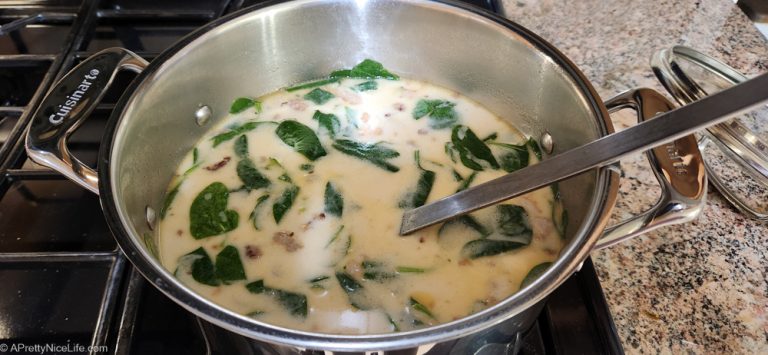
What I do is make double batches when I’m already cooking. If I’m making rice for tonight, I’ll make extra for later in the week because it takes zero extra time. If I’m chopping half an onion, I’ll chop the whole thing and put the other half in a small food storage container in the fridge for the next time I need chopped onion (which is always). Or I’ll cook a double batch of soup and put half in the freezer (or have tomorrow’s supper already made).
The point isn’t Instagram-worthy meal prep. It’s just thinking ahead a little so you’re not desperate at dinner time.
3. Shop More Than One Store (When it Makes Sense)
You don’t need to visit every store every week. Just know where your 10-15 most-purchased items are cheapest. Even small per-item differences add up significantly over time.
That said — if you’re burning $4.50 in gas to save a quarter, you’re not helping yourself. This works best when your stores are close together.
- How to Compare Grocery Stores Without Wasting Time or Gas
- The Best Grocery Deals I See this Week
4. Use Store Apps and Loyalty Programs
I didn’t want apps and loyalty programs. They’re annoying and they track your purchases. But you genuinely cannot save money at most stores without them anymore.
The good sales are tied to the app — especially at Kroger. The perks are real: free item coupons, loyalty rewards, personalized deals, fuel points. Download the apps, sign up, and load the digital coupons.
See: Which Grocery Apps Actually Save You Money
5. Shop With a Plan, but Stay Flexible
When I was a young wife and mother, I filled my cart at Walmart and most things were just $1 to $3. Nothing felt extravagant. When I got to the checkout, my total was over $100. I was shocked.
Inwardly I was a little embarrassed because I thought I was a pretty frugal shopper.
But that day I realized two things: Small amounts add up fast when you’re spending. But! Small amounts also add up fast when you’re saving. If I could accidentally overspend by a lot, I could also intentionally save a lot by being careful with those small purchases.
- Before you toss something in your cart, ask yourself: Did I plan to buy this? Is it on sale? Do I need it this week?
- Before you walk away from a deal, ask this: Is this a genuinely good price? Will I buy it later at full price? Do I have the extra room in today’s grocery budget? Will it keep?
Purposeful shopping is not rigid and not mindless. Also, cut yourself some slack if you make mistakes.
6. Stock Up When Things Are Actually on Sale
When something I use regularly goes on sale, I buy extra. Sometimes a lot extra. (Not armageddon amounts. Just warehouse-store amounts.) And there are some things I just almost never buy unless they’re on sale.
Stock up when: it’s a genuinely good price, you’d buy it anyway, it won’t spoil before you use it, and you have somewhere to put it. When all of those are true, feel good about buying enough to last until the next sale.
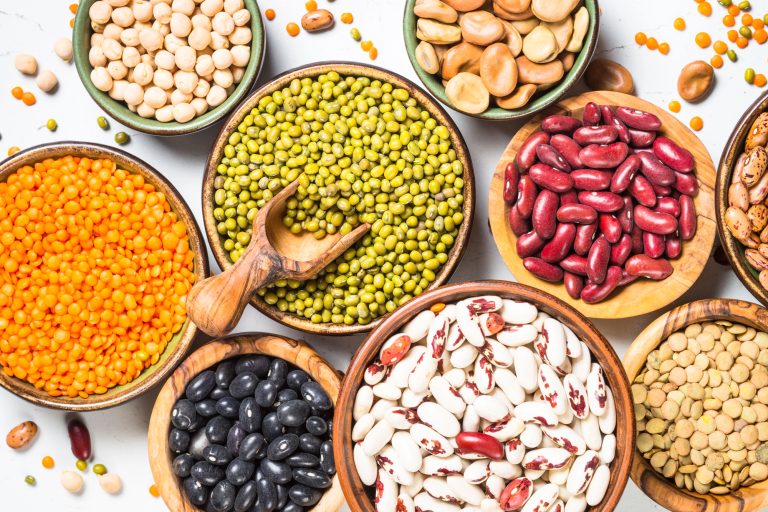
Butter goes straight into the freezer in the package. Shredded cheese freezes beautifully. Ground beef, eggs, beans, pasta, canned tomatoes — all fair game.
Stockpile on a Budget: The Beginner’s Guide to Mini-Stockpiling
7. Know What Things Should Cost
A big yellow “Sale!” tag doesn’t mean it’s a good price. Knowing your “buy prices” helps you separate real deals from fake ones.
It’s good to have a rough mental benchmark of things you buy most. Some examples of sale prices I like to see: Boneless meat around $1.99/lb. Bone-in under $0.99. Most produce $0.99/lb. Butter $1.99/lb when you can find it. Cheese $2.50/lb or less. These prices are harder to find, but they are still out there.
Checking unit prices (price per ounce on the shelf tag) is part of this too. Which size of the item is truly a better deal?
How to Make Your Own Price Book (Without a Spreadsheet)
8. Be Willing to Substitute
If you’re stuck in your ways, you won’t have as many opportunities to save. To get the most for your money, it helps to be willing to venture out of your comfort zone. But it can be fun, and even make you a better cook.
Almost all my recipes are built around substitutions, so you can use what you have or what is on sale, like chicken thighs instead of breast, frozen spinach instead of fresh, store brand instead of name brand, in-season produce instead of whatever sounded good in the recipe.
Flexibility saves you money. With Google these days, it’s easy to see if your substitution idea is likely to work. (You probably wouldn’t substitute a lobster tail for beef roast.) But try things!
9. Make a Few Things From Scratch
I make so many things from scratch, but not because I’m a perfectionist. (I’m definitely not.) It just gives me flexibility. When you have basic ingredients on hand, you’re never stuck.
Out of brownie mix? No problem. I have all the ingredients. Chicken stock from veggie scraps and bones costs almost nothing and tastes better than anything in a carton. A basic bechamel (butter, flour, milk) becomes any cream soup you need. Biscuits from flour, baking soda, salt, milk, and butter are cheaper and better than the pop-up kind. Frosting is butter and powdered sugar.
Pick one or two easy wins and start there. You’ll be surprised.
Easiest Foods to Make from Scratch
10. Know What Freezes Well
There’s a certain kind of freedom in knowing what you can throw in the freezer without any loss of quality. It definitely changes the way you shop. In fact, a few weeks ago, a woman asked me what I was baking with all that butter in my cart when it was on sale at Kroger. We had a nice conversation about things you can freeze. Butter freezes perfectly in the package. Shredded cheese, cooked beans, homemade stock, double batches of soup — all freezer-friendly. When you know what keeps, you can buy more when prices are good without worrying about waste.
What Foods Freeze Well
11. Buy Produce in Season
Strawberries in June cost half what they do in January — and they taste about ten times better. Turkey in November is loads cheaper than in June. Ham is cheapest around Easter. Building meals around what’s in season or what is on sale is an easy way to keep your grocery bill reasonable year-round.
What Groceries Are on Sale Each Month
The Bottom Line
You don’t need extreme couponing or complicated systems. You need a handful of simple, repeatable habits.
Start with two or three, stick with them until they become second nature, then add a couple more. Before long, you’ll be saving real money without even thinking about it.
Keep Saving Money on Groceries
- How to Save Money on Groceries — The hub article with all the strategies
- How to Know Your Buy Prices — Learn what things should cost
- How Much Should You Spend on Groceries? — Set a realistic budget
- Grocery Deals This Week — See what’s on sale at some of the most popular grocery chains
- How I Save Money at Sam’s Club
- What to Buy at Costco to Save Money
- Is a Costco Membership Worth It?
- Grocery Shopping Apps That Actually Save You Money — Which apps are worth it
- Well-Stocked Pantry Essentials: Cooking with Staples for Budget-Friendly Meals — Build a mini-stockpile for frugal everyday cooking
- Thanksgiving Grocery Deals